Bird Photography

I have been taking a lot of pictures of birds since getting a decent digital camera. Now that I have a decent telephoto lens for the camera, many of the pictures are good enough to share. Here are some from the Salina Carboneros, one of the salt pond areas near our house in Chiclana.
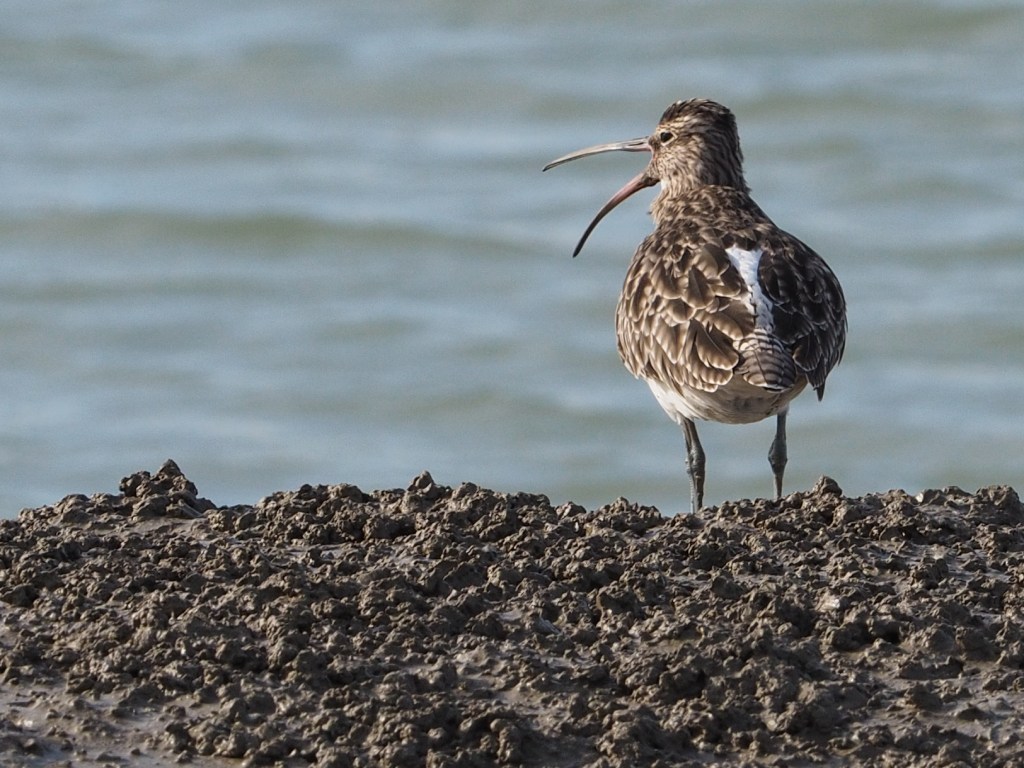
A tired Whimbrel

These salt ponds are a popular wintering haven for Eurasian Whimbrels, a pretty unmistakable bird. Here in Spain there is only one other species that is similar, the Eurasian Curlew, which has an even longer downturned bill, if you can imagine that.

Here is the same bird looking a little less ridiculous:
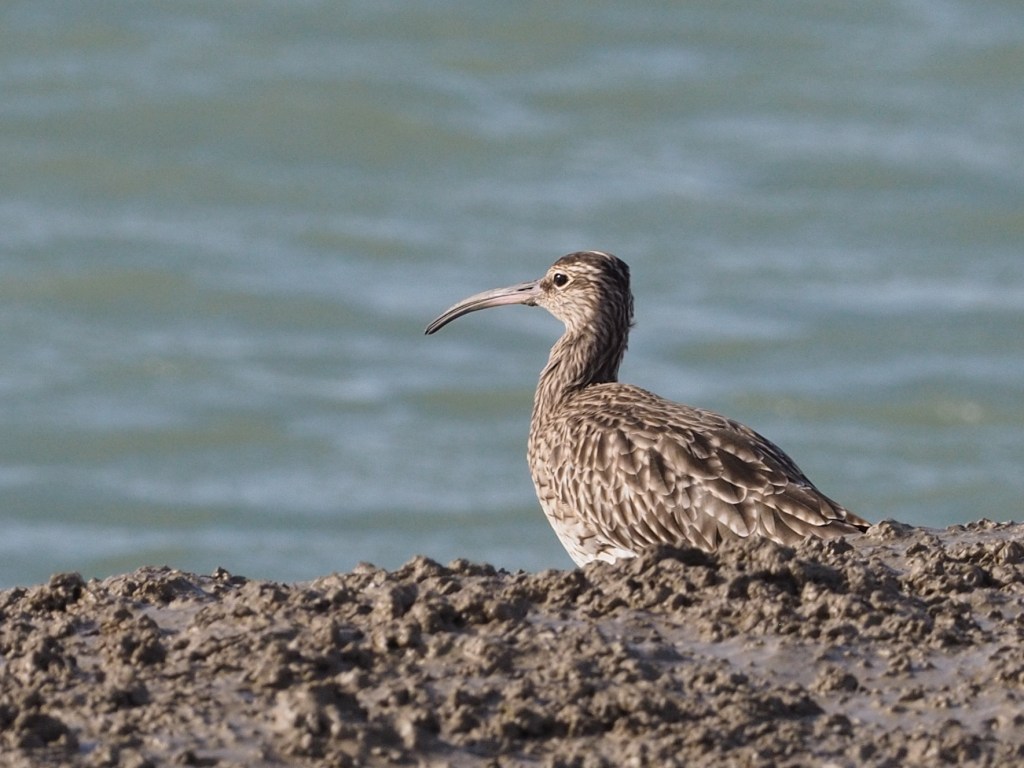
Whimbrel realizing that the camera was on him

Having a good telephoto allows one to use a computer to zoom in on the details of the birds’ feathers and marvel at their beautiful patterns. Often the birds are very far away, but we can use the telephoto to capture an image that, while not good enough to share with others, gives us a clear enough view to definitively identify the bird.
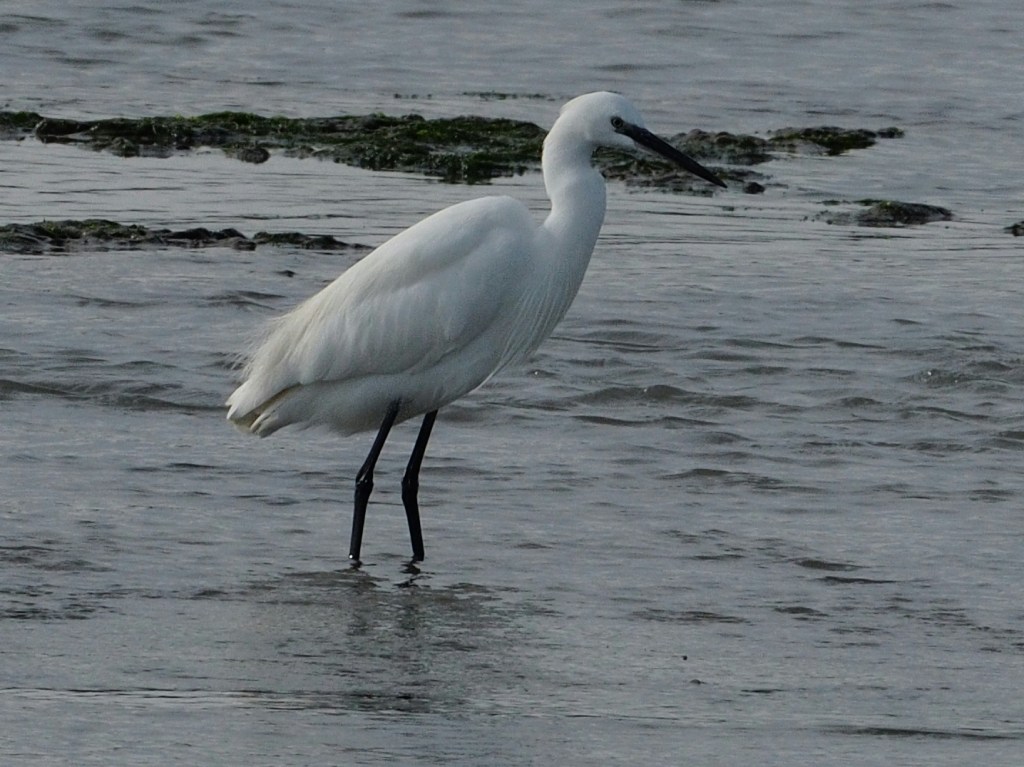
Little Egret

Here’s a Little Egret. It was getting dark and the photo is somewhat underexposed, but the absence of bright sunlight luckily kept the white from washing out, so one can see more of the details and shape of the bird’s body. Many of the birds we see in Europe have close cousins in America. In this case it would be the Snowy Egret.
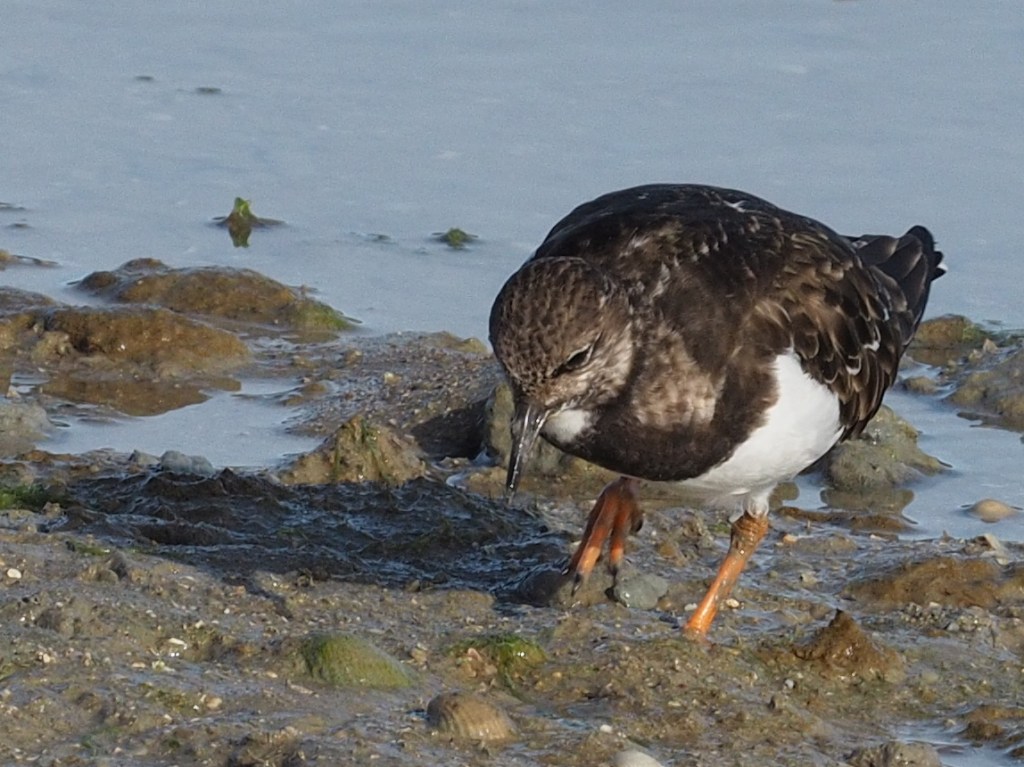
Ruddy Turnstone

Ruddy Turnstones are found in North America as well as Europe. During the sumer the dark brown colors get spectacularly more colorful. The first turnstone I ever saw was turning stones on a gravel beach on Whitefish Bay, Lake Superior. I couldn’t believe my eyes. What a cool bird! The turnstones are not the least bit shy and are always doing something funny. Next time out I’ll take some videos of these entertaining creatures. I find when I’m out looking at birds that I get distracted by the individual birds and fail to notice the details of their surroundings. Then, when I load the pictures into the computer at home, I am often equally impressed by the patterns of soil, water and foliage. The really good nature photographers try to get as close to the ground as possible when photographing animals so that they also get the sky and full environment in their shots. Out on the salt ponds, we are usually up a yard or more above the water level on rather steeply banked levees between the ponds, so getting those low angles is tough. Wikipedia has a very interesting article on Ruddy Turnstones, and I’m sure that just scatches the surface.
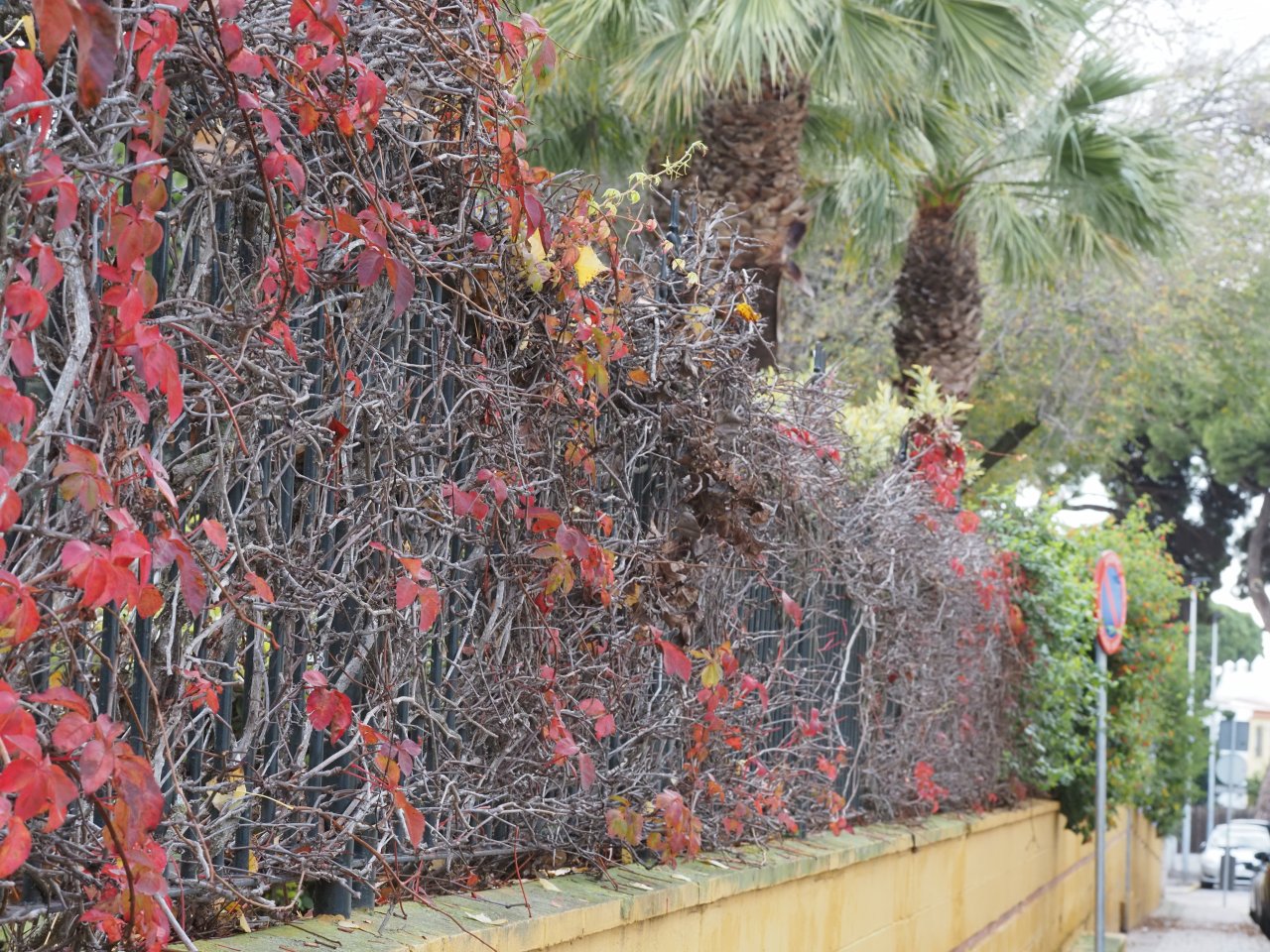
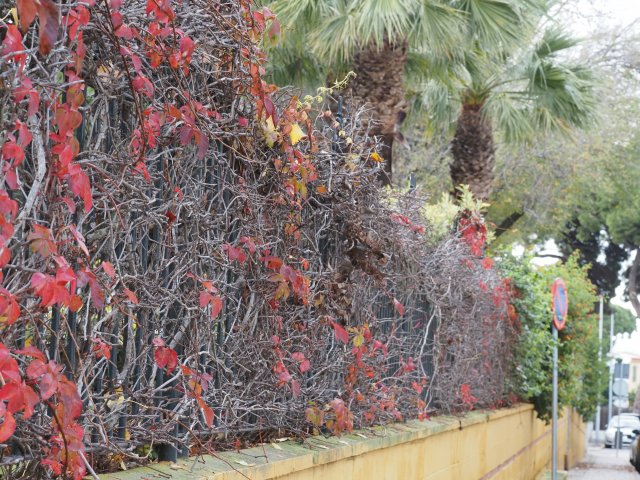
Hedge Fun

While walking into town the other day we walked along the north side of Parque Santa Ana, where some small flowers had appeared for Christmas in the hedge. Here are a few photos.

Hedge with Virginia creeper (Parthenocissus quinquefolia, five-leafed ivy, native to North America, mnidoo-biimaakwad bebaamooded in Ojibway).
Jasminum humile L. — Himalayan or Italian jasmine
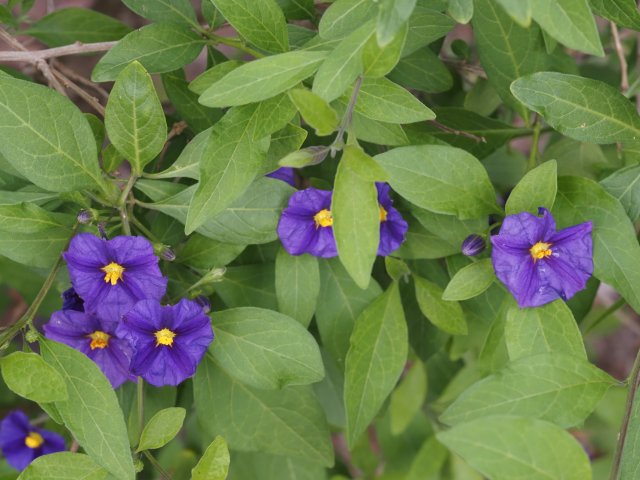
Solanum, a member of the nightshade family that is often seen in Chiclana gardens.
Lonicera japonica Thunb., honeysuckle
Senecio angulatus L.f.
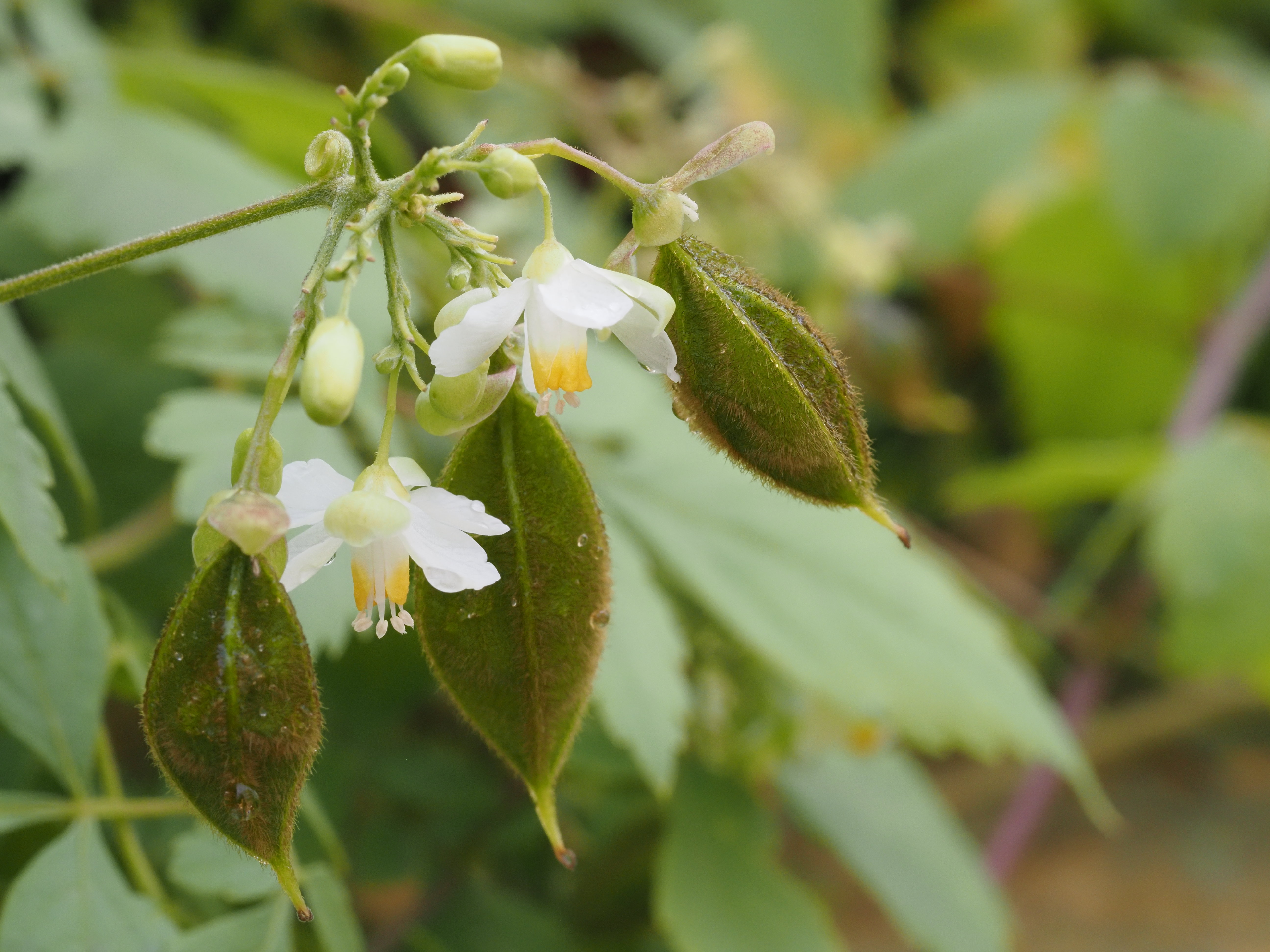
Cardiospermum grandiflorum Sw., showy balloonvine.

The showy balloonvine is definitely a spectacular plant, which makes it an appealing addition to private and public gardens. But it’s an invasive species in Europe, probably planted by city gardeners back in the day when people were less cautious about invasive species.

Parque Santa Ana is small, roughly covering a city block. It was conceived as a small informal botanical garden, so it contains a fairly wide variety of plants. There is always something interesting to see. Right now, there are a couple of New Zealand Christmas trees that are coming into bloom.

New Zealand Christmas tree, Metrosideros excelsa Sol. ex Gaertin.

Season’s Greetings!

May Day 2017

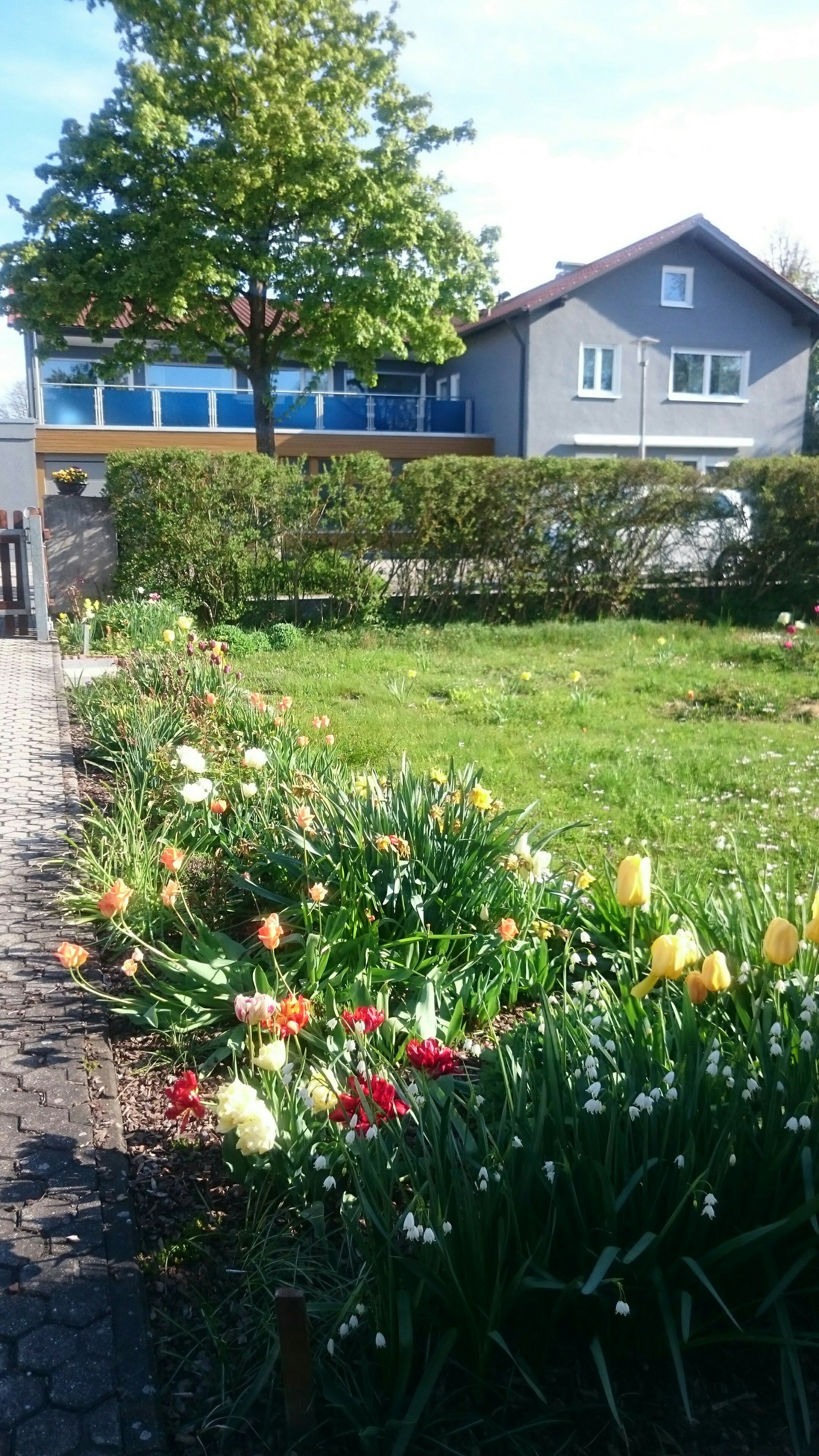
Returning to Germany on Wednesday after 4 1/2 sun-filled weeks in Andalusia, Bärbl and I were confronted with rain, nearly freezing temperatures, and general German gloom. Apparently, it’s been like this for weeks. But finally the sun came out! So the first thing I did this morning after breakfast was to go out and take some pictures of the garden. The first shows our so-called lawn, which we actually refer to as the “biotope”– accurately enough, because this lumpy green expanse is characterized by a high degree of biodiversity. Weeds, moss, and anything else that will come up.

wp-image--612612996

Caption

These white flowers are called “foam weed” in Germany and are a kind of cardamine and, as I just learned, a favorite food of the caterpillars of the Orangetip butterfly. Last summer I started to get into butterflies and realized how rare they are becoming here in Germany, and how few species one sees. It’s because of intensive farming and monoculture. After the cardamine finishes blooming, the daisies take over the biotope, and then eventually I get out the mower before it’s completely impossible to mow.

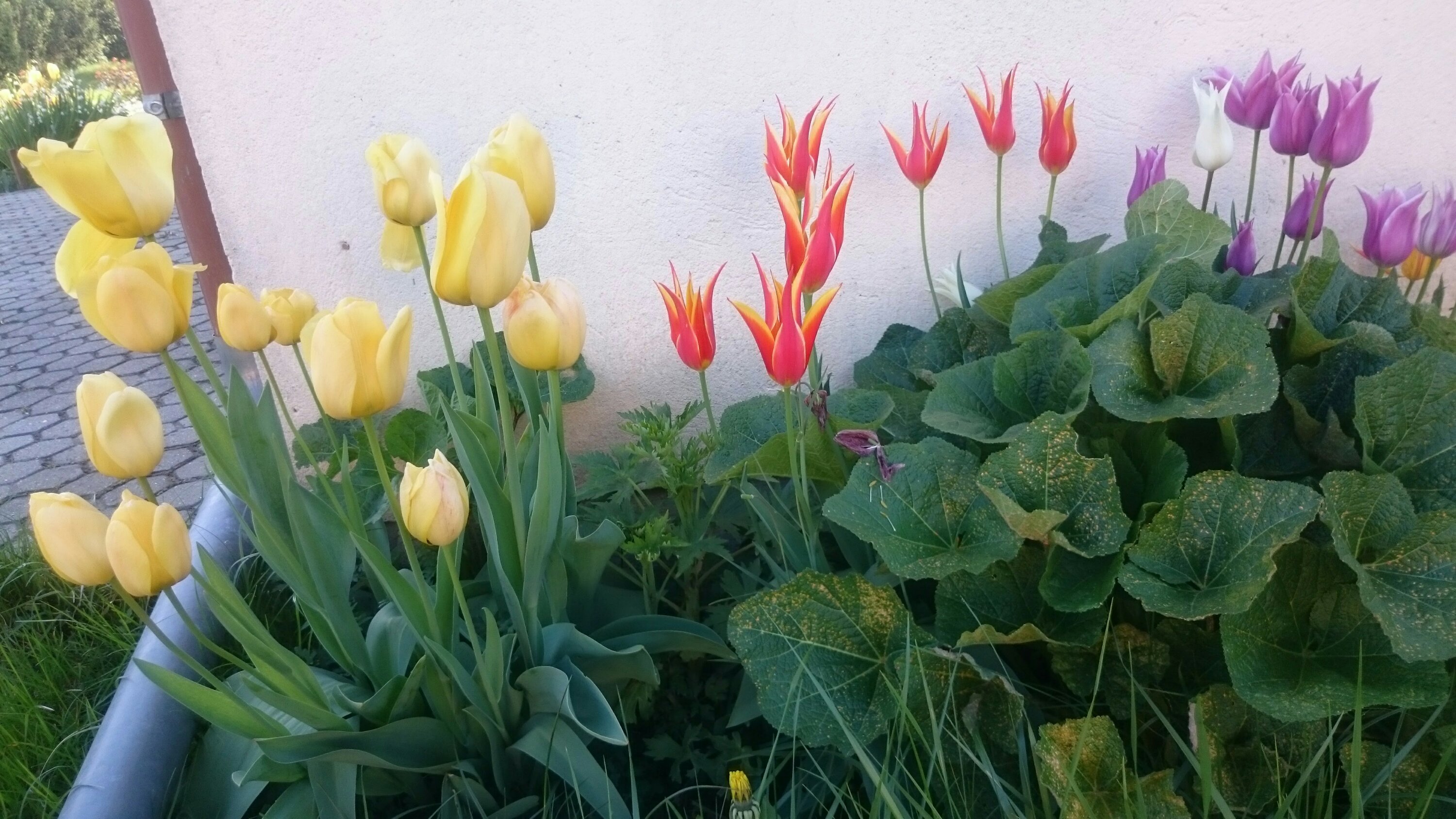
Here are a few more pictures of the spring flowers:

wp-image-522341924

wp-image--1889233232

I pulled my hamstring while in Spain, and the last two weeks have been pretty painful, but I am hoping it will be healed enough in the next few days so that I can start getting the spring vegetables planted.